
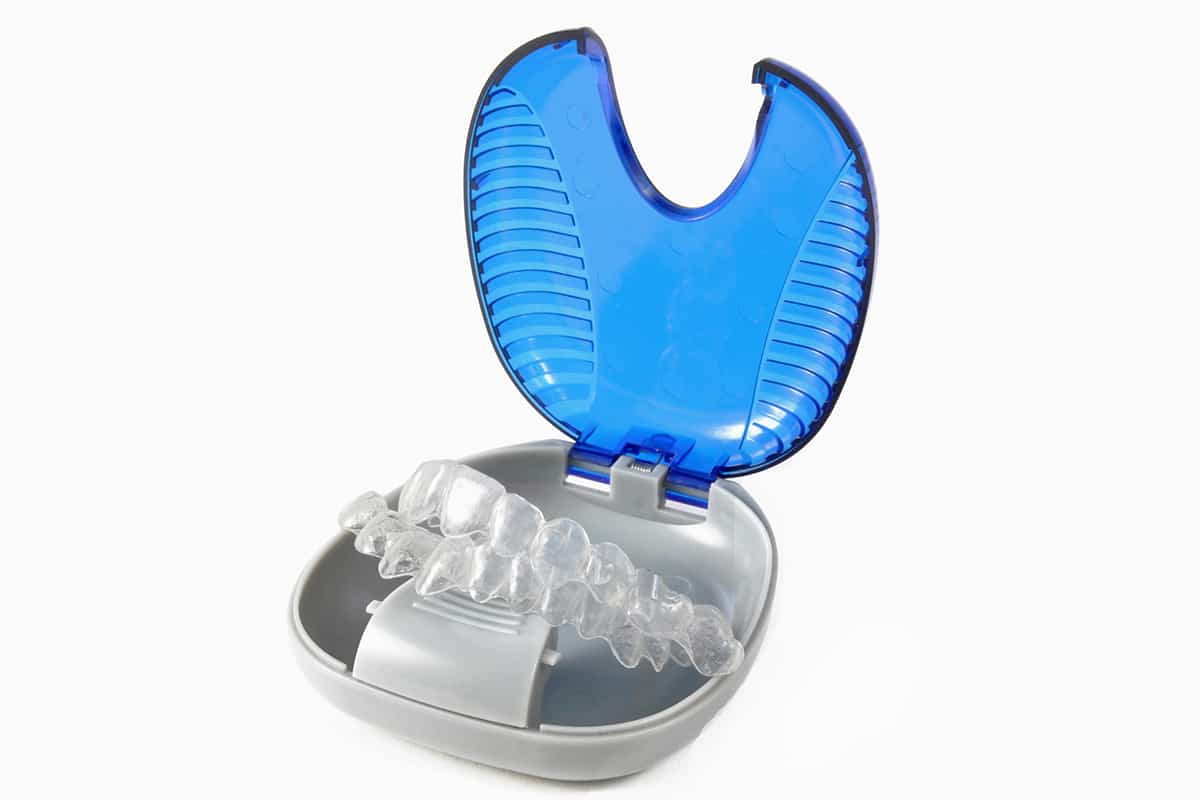
When patients visit us to discuss straightening their teeth, many expect to receive a simple set of clear plastic trays. We often surprise them when we introduce small, tooth-colored bumps called attachments into the treatment plan. If you are considering Invisalign®, you might be wondering exactly what these little additions are and why they matter so much to your final smile. Attachments are tiny buttons made of dental composite resin that we bond directly to specific teeth. They serve as essential anchors, allowing your clear aligners to grip the teeth more effectively.
While the clear aligners do an incredible job of pushing your teeth into their correct positions, smooth plastic sometimes slips over the natural curves of your teeth. The attachments provide a physical ledge for the aligners to push against. This added grip ensures that the aligners can direct precise amounts of force exactly where needed. By the time we finish your treatment, these tiny grips will have played a massive role in creating your beautiful new smile.
The Purpose Behind These Tiny Tooth Bumps
Not every patient needs attachments, but we use them frequently because they make treatment far more effective. Clear aligners apply gentle, consistent pressure to shift your teeth. However, certain types of tooth movements—such as rotating a tooth that has twisted sideways or pulling a tooth downward into alignment—require more leverage than a smooth plastic tray can provide on its own.
By strategically placing these small resin bumps on your teeth, we create microscopic handles for your aligners. The aligner snaps securely over these handles, locking into place and applying targeted pressure. This system transforms standard clear aligner therapy into a highly advanced orthodontic tool capable of addressing complex dental issues that were once treatable only with traditional metal braces.
Directing the Right Amounts of Force
Each attachment is custom-shaped and precisely angled to direct force in a specific direction. We design the size and shape based on the exact movement a particular tooth needs to make. Some might be rectangular, while others are triangular or square. The aligners are manufactured to fit snugly over these specific shapes, ensuring the force is transferred accurately from the plastic tray to the root of your tooth.
Assisting with Complex Tooth Movements
Teeth with rounded shapes, like canines and premolars, are notoriously difficult for clear aligners to grasp. The plastic tends to slide right off. When we add an attachment, we give the aligner the necessary traction to grip the tooth securely. This attachment allows us to perform complex movements, such as extrusion (slightly lengthening) or root control (moving a tooth's root through the jawbone), with exceptional precision and predictability.
The Placement and Removal Process
Some patients may feel a bit nervous about having something bonded to their teeth, but we want to assure you that the process is incredibly straightforward and entirely pain-free. We do not need to use needles, drills, or anesthesia. The material we use is the same composite resin dentists use to fill cavities or perform minor cosmetic bonding, and it is matched to the natural shade of your tooth so it blends in seamlessly.
The placement appointment usually takes just a few minutes. We start by cleaning and drying the teeth that need attachments. Next, we use a template tray—which looks just like your regular aligners but has small empty pockets—to guide the placement. We fill these pockets with the composite resin, place the template over your teeth, and use a special curing light to harden the material instantly.
Getting Your Attachments Placed
Once the curing light does its job, we remove the template tray. The resin remains firmly bonded to your teeth in the exact positions mapped out in your treatment plan. We then polish away any excess material to ensure the bumps feel as smooth as possible. We will show you how to pop your actual aligners in and out over the new attachments, so you can practice before you leave our office.
Safe and Painless Removal
When your treatment ends, or if a specific attachment is no longer needed for a later phase of your treatment, we simply buff the resin off your teeth. We use a gentle polishing tool that removes the composite material without damaging your natural tooth enamel. Your teeth will feel perfectly smooth again, looking exactly as they did before, just much straighter.
Living with Your New Attachments
Adjusting to life with attachments takes a little time, but most of our patients get used to them within a few days. When your aligners are in, the smooth plastic covers the attachments, making them relatively comfortable against your cheeks and lips. When you take the aligners out to eat or brush your teeth, you will definitely feel the little bumps. They might feel slightly sharp or strange against your tongue at first, but this sensation fades quickly as you adapt.
Because the attachments provide such a strong grip, removing your aligners might feel trickier than before. We recommend starting from the back of your mouth, gently lifting the aligner off your molars on both sides before working your way to the front. Taking your time prevents the aligner from bending or snapping.
Maintaining Excellent Oral Hygiene
These attachments are like tiny ledges that provide extra surface area where plaque and food particles can hide. This means you need to pay extra attention when brushing. We advise brushing gently but thoroughly around each attachment to prevent plaque buildup, which can lead to decay or staining around the resin. Using a soft-bristled toothbrush and taking a little extra time during your morning and evening routines will keep your teeth healthy and bright.
Adjusting to the Feel of Attachments
You might notice that certain foods feel different to chew while the attachments are on your teeth. Sticky foods can cling to the resin, and hard foods might feel a bit uncomfortable if they push directly against an attachment. We suggest eating carefully for the first few days while you get used to the new landscape of your mouth. Rest assured, the resin is quite strong, but if an attachment ever does pop off while eating, we can easily replace it at your next visit.
Achieving Your Dream Smile with Confidence
Embarking on orthodontic treatment is a significant step toward improving your oral health and boosting your self-confidence. While discovering that you need small bumps bonded to your teeth might initially seem daunting, these tiny additions are powerful tools that make your clear aligners work to their highest potential. They allow us to precisely guide your teeth into perfect alignment, handling complex movements effortlessly while remaining completely invisible to everyone around you. By understanding how they work, how to care for them, and the incredible results they help achieve, you can walk through your treatment journey feeling informed, prepared, and excited for the outcome.
Frequently Asked Questions About Invisalign
Do these tooth attachments stain easily?
The composite resin we use for attachments can pick up stains from dark liquids like coffee, tea, and red wine over time. Because you remove your aligners to eat and drink anything other than water, the attachments are exposed during these times. To prevent the bumps from discoloring, we recommend brushing your teeth after consuming highly pigmented foods or beverages, then putting your aligners back in.
Will eating be difficult with the attachments on my teeth?
Eating is usually not difficult, but it can feel slightly different when you first have the attachments placed. Because the small bumps stick out slightly from your teeth, you might notice food catching on them. We recommend chewing slowly and carefully for the first few days until you become accustomed to how they feel. Avoiding extremely hard or sticky foods can also prevent an attachment from accidentally dislodging.
At Andover Orthodontics, we are passionate about helping our community achieve healthy, beautiful smiles through personalized, advanced orthodontic care. We proudly serve families, teens, and adults, offering tailored treatment plans that fit your unique lifestyle and goals. If you have any questions about your treatment options or are ready to take the next step toward a straighter smile, please contact our office today.